Introduction to Plasminogen Activator Inhibitors (PAI)
Plasminogen Activator Inhibitors (PAI) are a crucial component in the regulation of fibrinolysis, the process through which the body breaks down blood clots. PAI primarily inhibits tissue plasminogen activator (tPA) and urokinase plasminogen activator (uPA), two key enzymes that convert plasminogen to plasmin. By controlling fibrinolysis, PAIs play an essential role in balancing clot formation and dissolution, ensuring that clots are removed when necessary, but not excessively. Abnormal PAI levels are associated with various cardiovascular diseases, thrombotic conditions, and even some forms of cancer, making PAI measurement vital for understanding and treating these diseases.
Understanding PAI activity is crucial for studying conditions like deep vein thrombosis (DVT), pulmonary embolism (PE), and stroke, as well as complications arising from cancer treatments or surgical interventions. Using Plasminogen Activator Inhibitor ELISA Kits, researchers can measure the concentration of PAI in plasma and serum samples with high precision and reproducibility.

What is a Plasminogen Activator Inhibitor ELISA Kit?
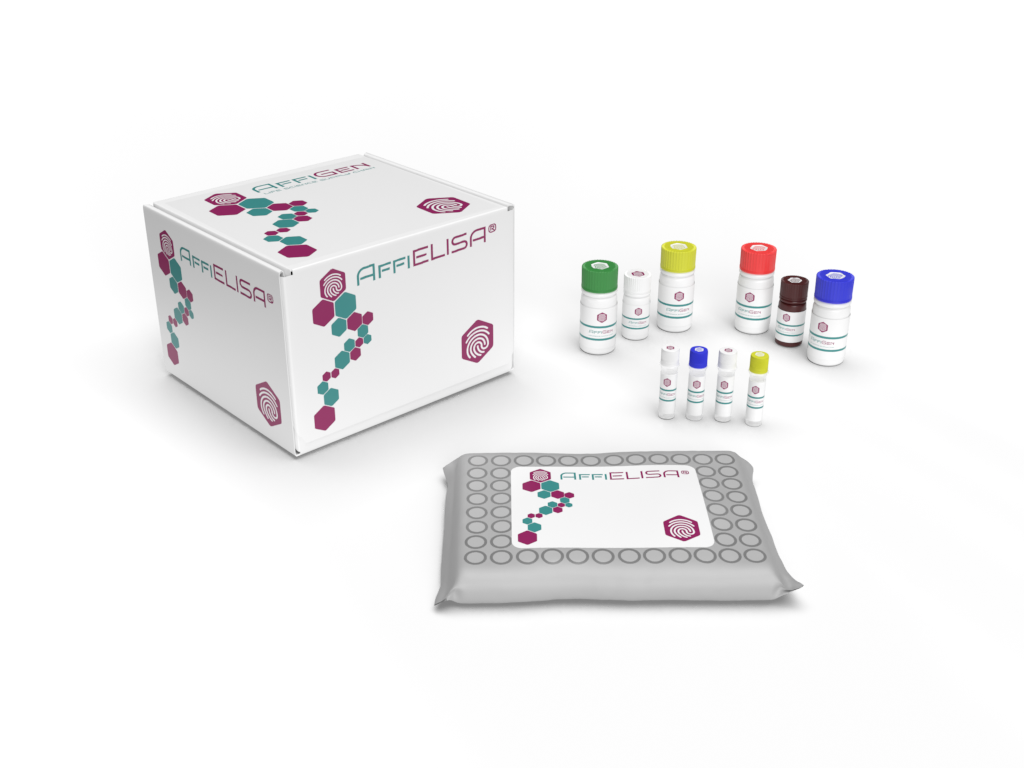
An Enzyme-Linked Immunosorbent Assay (ELISA) is a widely used laboratory technique designed to detect and quantify the presence of specific proteins in biological samples. The PAI ELISA Kit is designed to measure levels of Plasminogen Activator Inhibitors in various biological fluids, including blood plasma, serum, and tissue homogenates. This sensitive assay utilizes highly specific antibodies that bind to PAI proteins, allowing researchers to accurately measure its concentration.
The PLASMINOGEN ACTIVATOR INHIBITOR ELISA Kit works on the principle of antigen-antibody interactions. When the sample containing the target PAI protein is added to a microplate coated with antibodies specific to PAI, the binding between the PAI protein and the antibody is detected via a colorimetric, fluorometric, or chemiluminescent reaction. The intensity of the signal is directly proportional to the amount of PAI present in the sample, providing quantitative data to researchers.
Why Use PAI ELISA Kits in Biomedical Research?
The regulation of fibrinolysis and the role of PAIs in cardiovascular and thrombotic diseases highlight the importance of accurately measuring PAI levels. Using PAI ELISA Kits in research provides several advantages:
1. Cardiovascular Disease Research
PAI levels are linked to the development of atherosclerosis, heart attacks, and stroke. High levels of PAI are often associated with an increased risk of thrombus formation and the obstruction of blood vessels. Measuring PAI concentration using ELISA can help assess the risk of thrombotic events and provide insights into the progression of cardiovascular diseases.
For example, patients with elevated PAI levels are at a higher risk of developing coronary artery disease (CAD) and may benefit from early diagnostic screening and therapeutic interventions. Using PAI ELISA Kits in research can help identify high-risk individuals, track disease progression, and monitor the effectiveness of treatments (American Heart Association).
2. Thrombosis and Hemostasis Studies
Thrombosis is the formation of blood clots that can obstruct blood vessels and cause severe medical conditions such as stroke, heart attack, or pulmonary embolism. PAI plays a significant role in maintaining a balance between clot formation and breakdown, which is crucial for maintaining vascular health.
Researchers studying thrombosis and hemostasis (the process of stopping bleeding) can use PAI ELISA Kits to investigate the role of PAI in blood clot formation. By measuring PAI levels, scientists can understand how excessive or insufficient fibrinolysis contributes to thrombotic diseases. These kits provide a quantitative tool for evaluating the impact of new anticoagulant therapies, and they can help monitor the clotting risk in patients with conditions like deep vein thrombosis (DVT) and pulmonary embolism (PE) (National Institute of Health).
3. Cancer Research
PAI proteins are also involved in cancer biology, particularly in the processes of tumor metastasis and angiogenesis (the formation of new blood vessels). Tumors rely on angiogenesis to supply nutrients and oxygen for growth, and PAI can affect this process by modulating the activity of plasminogen activators involved in tissue remodeling.
Research on PAI levels in cancer patients is an emerging area of interest. PAI ELISA Kits enable researchers to explore how PAI influences tumor progression and metastasis. Elevated PAI levels are often observed in patients with advanced stages of cancers like breast, lung, and ovarian cancer, and these levels may be used as a biomarker for disease prognosis (National Cancer Institute).
4. Post-Surgical Monitoring
After surgery, especially in procedures like heart bypass or cancer surgery, patients are at an increased risk of thromboembolic events due to changes in blood clotting mechanisms. Monitoring PAI levels during the post-surgical period can help identify patients at risk of developing thrombotic complications.
Using PAI ELISA Kits, clinicians can measure how PAI levels fluctuate after surgery and tailor post-operative care strategies to minimize the risk of complications like stroke or deep vein thrombosis (U.S. National Library of Medicine).
Key Features of PAI ELISA Kits
-
High Sensitivity: PAI ELISA Kits offer extremely sensitive detection, making them suitable for measuring low concentrations of PAI in clinical samples such as plasma and serum.
-
Reproducibility: The kits are designed to provide consistent results across different experimental setups, ensuring reproducibility, which is critical in both research and diagnostic applications (NIH – National Institute of Biomedical Imaging).
-
Ease of Use: With optimized protocols and ready-to-use reagents, these kits are simple to use, allowing researchers and clinicians to quickly obtain reliable results without requiring specialized technical expertise (FDA – U.S. Food and Drug Administration).
-
Wide Range of Applications: PAI ELISA Kits are applicable to a broad spectrum of research areas, from cardiovascular studies and thrombosis research to cancer biology and post-surgical care.
The Science Behind PAI ELISA Kits
The PAI ELISA operates on the immunoassay principle, where a sample is added to a microplate pre-coated with antibodies specific to PAI. After binding, a secondary antibody tagged with an enzyme is introduced, and the presence of PAI is detected through a color change or fluorescence. The intensity of the signal correlates with the amount of PAI in the sample, providing a direct and quantitative result. The system allows researchers to quantify PAI in plasma or serum, making it ideal for both research and clinical diagnostics.

Applications of PAI ELISA Kits
-
Thrombosis and Hemostasis Research: Study the role of PAI in blood clot formation and thrombus resolution.
-
Cardiovascular Disease Monitoring: Measure PAI levels to assess the risk and progression of heart disease.
-
Cancer Prognosis: Evaluate PAI levels as a potential biomarker for cancer prognosis and metastasis.
-
Post-Surgical Care: Monitor PAI levels in patients after surgery to prevent thrombotic events.
Conclusion
Plasminogen Activator Inhibitor (PAI) ELISA Kits are invaluable tools for researchers and clinicians studying cardiovascular diseases, thrombotic disorders, and cancer. By enabling precise measurement of PAI proteins, these kits provide insights into disease mechanisms and help identify patients at risk of developing clot-related complications. With their high sensitivity, reproducibility, and ease of use, PAI ELISA Kits are essential for advancing research and improving patient care in numerous therapeutic areas.
For further insights into PAI-related research and how these kits can benefit your studies, explore authoritative resources like National Heart, Lung, and Blood Institute and National Cancer Institute.
SEO Keywords Integrated:
-
PAI ELISA Kits
-
Plasminogen Activator Inhibitor
-
Thrombosis research
-
Cardiovascular biomarkers
-
Cancer progression biomarkers
-
Blood clotting and fibrinolysis
-
Post-surgical thrombosis monitoring
